 Ultimate guide
Landscape Maintenance Services for Homeowners: 2026 Guide
Table of Contents
- What Landscape Maintenance Services for Homeowners Actually Include
- Seasonal Landscape Maintenance Checklist for Every Yard
- What Drives the Cost of Residential Landscape Maintenance
- How to Hire a Landscaping Company Without Getting Burned
- DIY vs. Professional Landscape Maintenance: Which Pays Off?
- Sustainable Landscape Maintenance Practices That Save Money
- Frequently Asked Questions
Last Updated: September 14, 2026
What Landscape Maintenance Services for Homeowners Actually Include
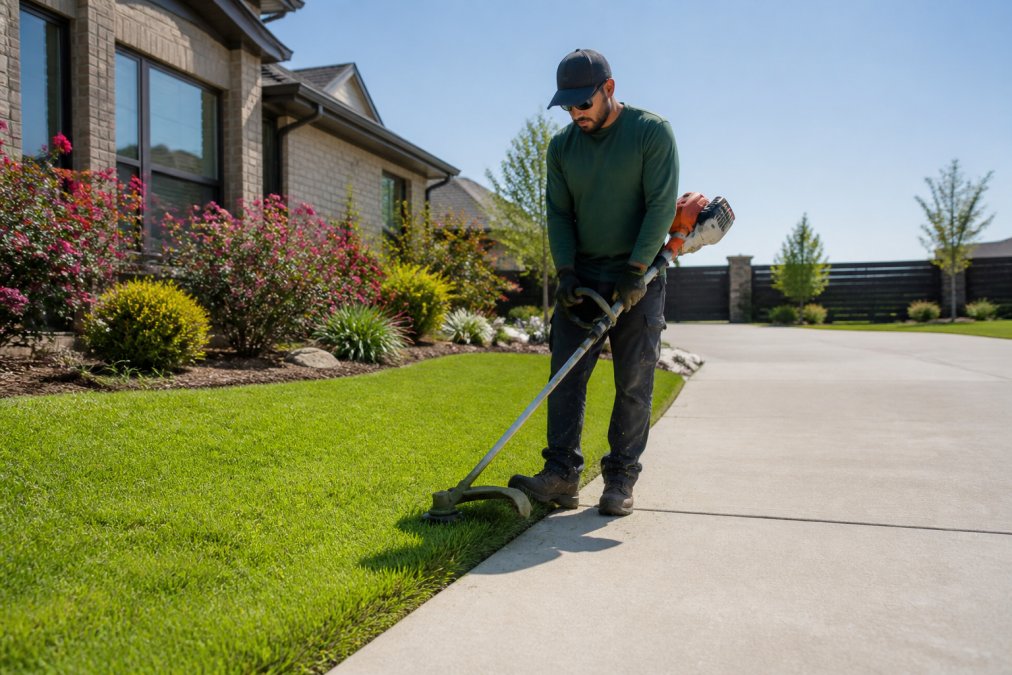
Landscape maintenance services for homeowners cover the recurring work that keeps a yard healthy and presentable: mowing, edging, pruning, weeding, fertilization, irrigation checks, and seasonal cleanup. At QEN Landscaping, we've handled these tasks for more than 15 years, and the biggest surprise for new clients is how much falls outside a basic mow-and-go visit.
A standard maintenance program typically bundles:
- Lawn mowing and edging on a set schedule through the growing season
- Shrub pruning to control size and shape before growth gets away from you
- Weed control and fertilization timed to your grass type and soil
- Garden bed maintenance, including mulching and debris removal
- Irrigation management, from head adjustments to seasonal start-ups
Core Services vs. Add-Ons
Core services are the recurring visits that keep your property stable. Add-ons are project-based: sod installation, landscape renovation, hardscaping, aeration, and dethatching. A common mistake is assuming aeration is included in a standard plan (extension.psu.edu). It usually isn't, and skipping it leaves soil compacted and grass thin.
Seasonal Landscape Maintenance Checklist for Every Yard
A seasonal landscape maintenance checklist keeps you from reacting to problems after they've already cost you money. The work changes dramatically between spring and fall, and a plan that ignores those shifts leaves gaps.
Spring priorities: clear winter debris, cut back ornamental grasses, refresh mulch, apply pre-emergent weed control, and start irrigation systems (Spring lawn care: What should you really be doing? | Good Growing | Illinois Extension).
Fall priorities: remove leaves before they smother turf, aerate and overseed cool-season grass, prune dead wood, and winterize irrigation lines before the first hard freeze (extension.umn.edu).
| Season | Key Tasks | Why It Matters |
|---|---|---|
| Spring | Debris removal, mulching, pre-emergent weed control | Stops weeds before they establish |
| Summer | Mowing, irrigation checks, plant health care | Protects turf through heat stress |
| Fall | Aeration, overseeding, leaf cleanup | Sets up root growth before dormancy |
| Winter | Pruning dead wood, equipment servicing | Prevents spring storm damage |
What Drives the Cost of Residential Landscape Maintenance
Most landscape companies hide their pricing behind a "call for a quote" button, the single biggest frustration homeowners report when shopping for recurring service. Here's how pricing actually works.
The Six Variables That Move Your Price
Every quote is a function of the same six inputs. Understanding them lets you compare bids apples-to-apples instead of guessing why one company is twice the price of another.
- Lot size and turf area. Price is driven by square footage of maintained turf, not total acreage. A half-acre lot that is mostly house, driveway, and beds may price like a much smaller property.
- Plant density and bed count. Each bed adds edging, weeding, mulching, and pruning time. A property with 15 shrub beds takes dramatically longer per visit than one with three.
- Terrain and access. Sloped yards, narrow gates, and fenced backyards slow crews down. If a zero-turn mower cannot reach the back lawn, a push mower and string trimmer replace it, and labor hours climb.
- Service frequency. Weekly visits cost more per month than biweekly, but the per-visit price is lower because the lawn never gets out of hand. Biweekly service on a fast-growing lawn often costs more over a season, since each visit takes longer.
- Equipment and specialization. Tree work, drainage correction, and irrigation repair require licensed or certified technicians and specialized equipment, quoted separately from routine maintenance.
- Debris hauling and disposal. Green waste disposal carries a real cost. Some companies bundle it; others bill it per load. Ask which model applies before you sign.
How Pricing Is Structured
Recurring maintenance is almost always priced one of three ways:
- Flat monthly fee. Predictable for budgeting, but you need to confirm exactly what is included and how many visits the fee covers.
- Per-visit rate. Common for biweekly or on-call service. The rate should state the expected time on site.
- Per-service or per-project quote. Used for aeration, dethatching, mulch installation, irrigation start-ups, and one-time cleanups.
A common pattern is a base recurring fee plus a published per-service menu for add-ons, the easiest structure to audit, since you can see what each extra task costs.
What a Transparent Quote Should Itemize
When you compare bids, line them up against this list. If a quote does not address an item, ask directly whether it is included, excluded, or billed separately.
| Line Item | Typically Included in Recurring Fee? | Usually Billed Separately? |
|---|---|---|
| Mowing, edging, trimming | Yes | , |
| Blowing off hardscapes | Yes | , |
| Fertilization and weed control | Sometimes | Often |
| Mulch refresh | No | Yes |
| Aeration and dethatching | No | Yes |
| Irrigation start-up and winterization | No | Yes |
| Leaf removal | Sometimes | Often |
| Debris hauling | Sometimes | Often |
| Tree pruning above small-ornamental size | No | Yes |
How to Build Your Own Estimate
You can sanity-check any quote with a simple time-based method. Walk your property and estimate how long each task takes: mowing and trimming, edging, blowing, weeding beds, and pruning. Multiply total hours by the crew size the company sends to get labor hours per visit. A fair quote reflects those hours plus equipment, fuel, disposal, insurance, and a reasonable margin.
If a quote is far below your estimate, ask what's being skipped. If it's far above, ask what extra service is included. Either way, you have a basis for the conversation.
Questions That Force Transparency
- What is the exact per-visit or monthly rate, and how many visits does it cover?
- Which tasks are included, and which are billed separately?
- Is debris hauling included, and is there a disposal fee?
- Does the rate change seasonally, and if so, how?
- What is the cancellation or pause policy if I travel or sell the home?
- Are there any fuel surcharges or trip charges?
Getting these answers in writing before work begins is the difference between a predictable annual budget and a season of surprise invoices.
How to Hire a Landscaping Company Without Getting Burned
Knowing how to hire a landscaping company comes down to verifying three things: insurance, equipment, and communication. Ask for a certificate of insurance before any crew steps on your property, uninsured tree work is the most common source of homeowner-contractor disputes.
Then confirm the company owns the right equipment for your job, not just a mower and a pickup. Tree trimming, drainage correction, and irrigation repair require specialized tools and training.
Questions to Ask Before You Sign
- What's included in the recurring visit, and what's billed separately?
- How quickly do you respond to calls and emails during the season?
- Who is my single point of contact if something goes wrong?
- Do you carry liability and workers' compensation coverage?
- Can you handle multiple properties under one contract?
That last question matters for HOAs and property managers juggling several sites. A single point of contact beats coordinating three different crews who never talk to each other.
DIY vs. Professional Landscape Maintenance: Which Pays Off?
For some properties, doing the work yourself is genuinely the better financial decision. For others, hiring a crew pays for itself in avoided damage and recovered weekends. The right answer depends on four measurable factors: your time, your equipment, your plant investment, and your tolerance for mistakes.
The Real Cost of DIY
DIY does not eliminate cost. It converts a cash expense into a time and equipment expense. To compare fairly, add up:
- Time. Track how long a full maintenance pass takes, mowing, trimming, edging, blowing, weeding beds, and pruning, then multiply by visits per season. That's your true labor commitment.
- Equipment. A mower, string trimmer, edger, blower, pruning tools, hoses, and irrigation fittings carry upfront cost plus maintenance, fuel or batteries, and storage.
- Materials. Fertilizer, pre-emergent, mulch, and replacement plants are the same cost whether you or a crew applies them.
- Disposal. Yard waste pickup, compost site trips, or a rented trailer for larger cleanups.
- Risk. The hidden line. A mis-timed fertilizer application, bad pruning cut, or over-adjusted irrigation head can damage turf and shrubs in ways that cost more to fix than the service would have.
The Real Cost of Professional Service
A professional contract replaces most of the above with a predictable recurring fee. You're buying not just labor but scheduling reliability, correct technique, insured liability, and equipment you don't have to store or maintain.
The trade-off: you pay a premium for someone else's time and expertise, and give up the flexibility to skip a week without consequence.
A Simple Decision Framework
Work through these questions in order, the first "yes" usually points to your answer.
- Is your maintained area small and simple? A modest, flat lawn with few beds and no irrigation is the classic DIY profile. The time commitment is manageable and the risk of costly mistakes is low.
- Do you have mature trees, extensive beds, or an irrigation system? These raise both the time required and the cost of errors. Professional service tends to pay off here.
- Is your time genuinely free, or is it displacing something you value? If weekends are your only recovery time, the labor cost of DIY is higher than it looks on paper.
- Do you own and maintain the right equipment? Buying and storing a full suite of tools for one property rarely makes financial sense unless you also enjoy the work.
- Can you keep up with the seasonal calendar? Pre-emergent timing, aeration windows, and irrigation winterization are date-sensitive. Missing them costs more than the service.
Where DIY Wins
- Small, flat lots with simple plantings
- Homeowners who enjoy the work and treat it as exercise or recreation
- Properties with minimal plant investment where a mistake is cheap to fix
- Situations where you already own the equipment for other reasons
Where Professional Service Wins
- Properties with mature trees, extensive shrub beds, or irrigation systems
- Households where weekend time is scarce or highly valued
- Yards with a standard, HOA requirements, curb appeal for sale, or rental turnover, that must be met consistently
- Anyone who has already paid to replace plants damaged by a DIY mistake
The Hybrid Approach
Many homeowners land in the middle, often the smartest position. Handle routine mowing and light weeding yourself, and hire out tasks requiring specialized equipment, licensing, or timing precision: aeration, dethatching, tree pruning, fertilization programs, and irrigation start-up and winterization.
This captures most DIY savings while offloading the highest-risk, highest-skill work, keeping annual spend below a full-service contract while protecting your plant investment.
Sustainable Landscape Maintenance Practices That Save Money
Sustainable landscaping reduces long-term cost by working with your site instead of against it. Right plant, right place means fewer replacements. Deep, infrequent watering builds stronger roots than daily sprinkling, and leaving grass clippings returns nutrients and cuts fertilizer needs.
Other practices that pay back over time:
- Amend soil with compost before planting rather than relying on synthetic inputs
- Choose native and adapted species that tolerate local rainfall patterns
- Mulch beds properly to suppress weeds and hold moisture
- Direct downspouts and grading to fix drainage instead of fighting standing water
Most homeowners underestimate how much a consistent maintenance schedule protects their property value and curb appeal. QEN Landscaping handles that work with more than 15 years of experience, customized plans built around your specific yard, and constant communication from first estimate to final shrub installation. We serve both residential and commercial clients with top-quality materials and current techniques. Request a free estimate from QEN Landscaping and get a maintenance plan tailored to your property.
Frequently Asked Questions
What is included in standard landscape maintenance services?
Standard landscape maintenance services typically cover lawn mowing, edging, trimming, blowing off hard surfaces, weed control, fertilization, shrub pruning, and seasonal cleanup. Some providers also handle irrigation checks, mulching, aeration, and dethatching. What's included varies by provider, so ask for a written scope of work before signing. A customized maintenance plan should list every task and its frequency so you know exactly what you're paying for.
How much do landscapers charge for maintenance?
Pricing depends on lot size, plant density, service frequency, and whether you need add-ons like fertilization or irrigation management. Most homeowners pay a recurring monthly or per-visit rate, while larger properties or commercial accounts are quoted separately. Because rates vary so much by region and scope, request a free estimate from a local provider rather than relying on national averages. QEN Landscaping offers customized quotes based on your property's specific needs.
How often should residential landscaping be serviced?
Most residential lawns need mowing every 7 to 14 days during peak growing season, with less frequent visits in cooler months. Pruning, fertilization, and weed control follow seasonal schedules rather than weekly ones. A good provider builds a customized maintenance plan around your grass type, soil, and climate. If you're in Central New Jersey, expect heavier spring and fall workloads with lighter winter service focused on cleanup and plant health care.
What is the difference between lawn care and landscape maintenance?
Lawn care focuses on the grass itself: mowing, fertilization, weed control, aeration, and dethatching. Landscape maintenance covers the broader property, including shrub pruning, garden bed maintenance, mulching, edging, seasonal cleanup, and irrigation management. Many homeowners need both, which is why hiring a provider that handles full-service landscape upkeep under one plan often costs less than coordinating two separate contractors.