 How-to
How to Create a Commercial Landscape Maintenance Checklist
Last Updated: November 4, 2026
Quick Summary
To create a commercial landscape maintenance checklist, walk the property and map it into zones ranked by visibility and risk, then list the eight core task groups and build a template with six fields per line: task, zone, owner, frequency, measurable standard, and status. Set pass/fail standards before the first visit so a second person could inspect the same zone and reach the same conclusion.
- Rank zones by visibility and risk so the checklist spends time where it matters most.
- Every checklist line needs a measurable standard, not just a task name.
- Set task frequency by climate, property type, site conditions, and foot traffic.
- Organize the year into spring, summer, fall, and winter maintenance blocks.
- Flag each calendar line as Routine, Seasonal, or Corrective to separate budget categories.
Table of Contents
- Step 1: Inventory the Property and Define What Matters
- Step 2: List Every Core Commercial Landscape Maintenance Task
- Step 3: Build a Commercial Landscape Maintenance Checklist Template
- Step 4: Set Task Frequency by Site Conditions and Property Type
- Step 5: Map Tasks to a Seasonal Commercial Landscape Maintenance Checklist
- Step 6: Turn It Into a Monthly Commercial Landscape Maintenance Calendar
- Step 7: Add a Commercial Landscaping Safety Checklist and Inspection Standards
- Frequently Asked Questions
Step 1: Inventory the Property and Define What Matters
A commercial landscape maintenance checklist works only when it reflects the actual property, not a generic list pulled from a search engine. A useful checklist starts with a walk-through, because a retail center with heavy foot traffic needs different attention than an office park with large turf areas.
Start by mapping the site into zones. Note turf areas, planting beds, trees, irrigation zones, parking islands, and drainage points. Then rank each zone by visibility and risk.
- High-visibility zones: entrances, signage areas, customer walkways
- Risk zones: slopes, drainage swales, trees near structures
- Low-traffic zones: rear lots, utility strips, service areas
This ranking decides where your checklist spends its time. A property manager who treats every zone equally ends up with a long list and uneven results. The National Association of Landscape Professionals notes that maintenance work dominates contractor revenue, which tells you where the operational focus sits.
Write down the standards you expect for each zone before you write a single task.
Step 2: List Every Core Commercial Landscape Maintenance Task
Every commercial landscape maintenance checklist should cover eight core task groups. Miss one and the gap shows up within a season.
Turf Care, Mowing, and Edging
Mowing frequency and turf height drive the health of the whole lawn. Set a target height and stick to it. Scalping the turf to save a visit invites weed pressure and bare areas. Edging along walks and curbs keeps the property looking sharp and prevents clumping and curb damage.
Beds, Mulch, Pruning, and Irrigation
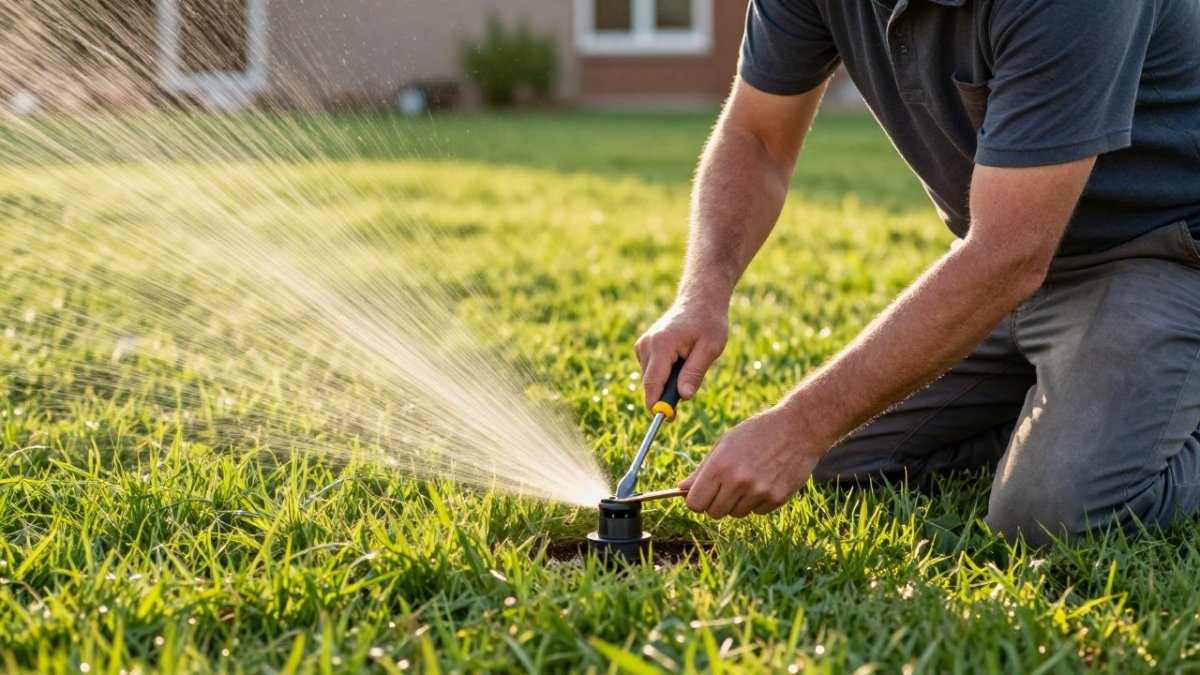
Bed maintenance covers mulch depth, shrub pruning, seasonal color, and weed control. Irrigation inspection belongs on every visit: check heads, valves, and coverage. Water management and drainage matter just as much, since standing water after rain points to a landscape drain problem, not just a wet spot.
Tree care rounds out the list. Pest monitoring and disease monitoring catch problems before they spread.
Step 3: Build a Commercial Landscape Maintenance Checklist Template
A commercial landscape maintenance checklist template needs more than a task list. The version that survives a full season has six fields per line: task, zone, owner, frequency, measurable standard, and status.

Here is a working template you can copy into a spreadsheet or print for the crew truck. The standards column is what separates a checklist from a wish list, it tells the crew and the property manager what "done" looks like.
| Task | Zone | Owner | Frequency | Measurable Standard | Status | Notes / Work Order |
|---|---|---|---|---|---|---|
| Mow turf to target height | All turf | Crew lead | Weekly (growing season) | Height within 0.5 in of target; no scalped strips; clippings not clumped | Complete | Height raised 0.5 in for heat stress |
| Edge walks and curbs | Entrances, walkways | Crew lead | Biweekly | Clean edge line; no soil or clippings on pavement | Complete | Curb damage at island 3, WO-1042 |
| Inspect irrigation heads and valves | Irrigation zones 1-6 | Irrigation tech | Monthly | All heads upright, matched precipitation, no dry or soggy spots | Open | Zone 4 head misaligned, WO-1043 |
| Check mulch depth in beds | Beds 1-5 | Crew lead | Quarterly | 2-3 in depth; bare areas under 1 sq ft | Complete | Bed 2 needs top-off next visit |
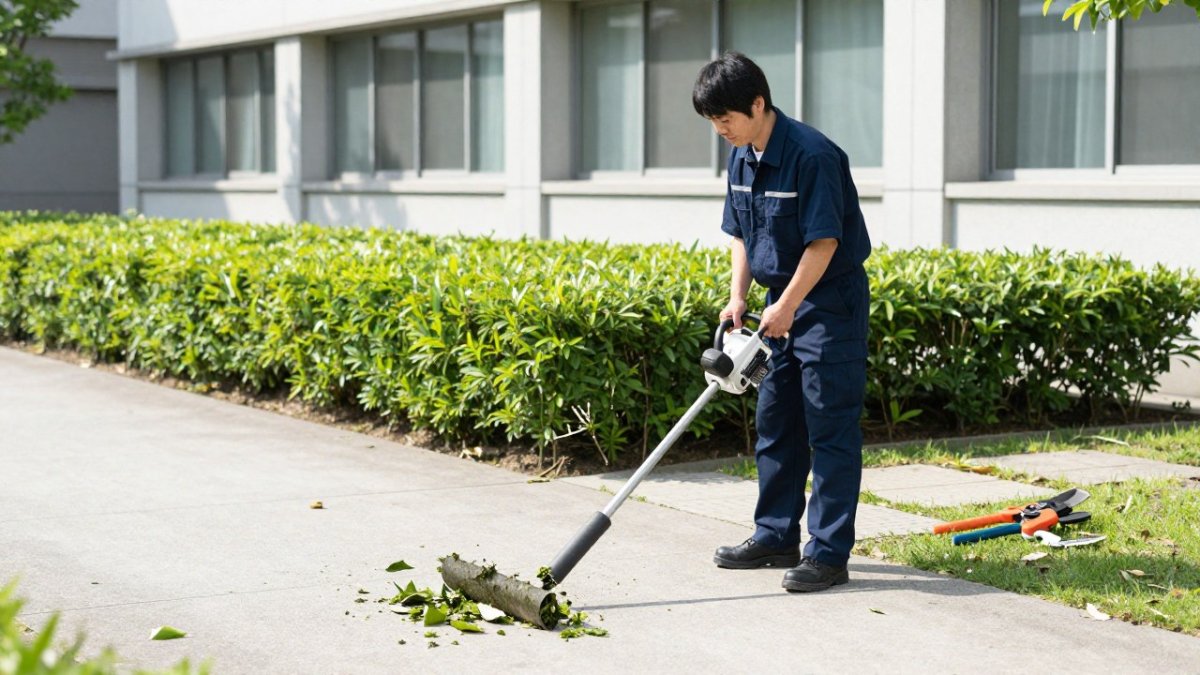
| Remove litter and debris | Entire site | Grounds crew | Each visit | No visible litter on turf, beds, or pavement at walk-through | Complete | Extra pickup after weekend event |
| Prune shrubs to shape | Foundation beds | Horticulturist | Per species schedule | Clear of walks and signage; no deadwood over 1 in diameter | Open | Oakleaf hydrangea prune after bloom |
| Inspect drainage inlets and swales | Parking lot, swale | Irrigation tech | Monthly | Grates clear; no standing water 24 hours after rain | Complete | Swale silt buildup, WO-1044 |
| Walk safety inspection | Walks, curbs, play areas | Site supervisor | Weekly | No trip hazards over 0.5 in; no dead limbs over structures | Complete | None |
Keep the printed form short enough that a crew can finish it on site. Build the master template in a spreadsheet with one tab per zone, then print a one-page daily sheet for the crew and keep the master for the property manager.
How to use the template as a documentation workflow. The status column should only carry three values, Complete, Open, or Corrective, so the property manager can filter for open items at the end of each week. Every Open or Corrective line gets a work order number in the notes column, a photo attached to the work order, and a completion date. Many property managers hold a weekly review where the open items are walked, the photo evidence confirmed, and each item closed or re-dated, which turns the checklist into an accountability record.
Set pass/fail standards before the first visit. Vague standards are the main reason checklists fail. Write each standard so a second person could inspect the same zone and reach the same conclusion.
Watch out: a template that lists tasks but not standards invites the crew to mark everything Complete, which hides the deficiencies the checklist was built to catch.
Step 4: Set Task Frequency by Site Conditions and Property Type
Task frequency should follow the site, not a fixed calendar. A condo community with irrigation and heavy shade needs different timing than a sun-baked retail lot.
Adjust frequency for these factors:
- Climate and season: growth slows in cold months, speeds up after rain
- Property type: retail centers need tighter litter and debris removal
- Site conditions: slopes, shade, soil, and drainage all change the schedule
- Traffic: higher foot traffic means more frequent inspection
Inspection frequency matters as much as task frequency. A weekly walk-through catches small issues before they become work orders. Property managers who inspect monthly often learn about problems from tenants first.
Step 5: Map Tasks to a Seasonal Commercial Landscape Maintenance Checklist
A seasonal commercial landscape maintenance checklist organizes the year into four blocks. Each block carries its own priorities.
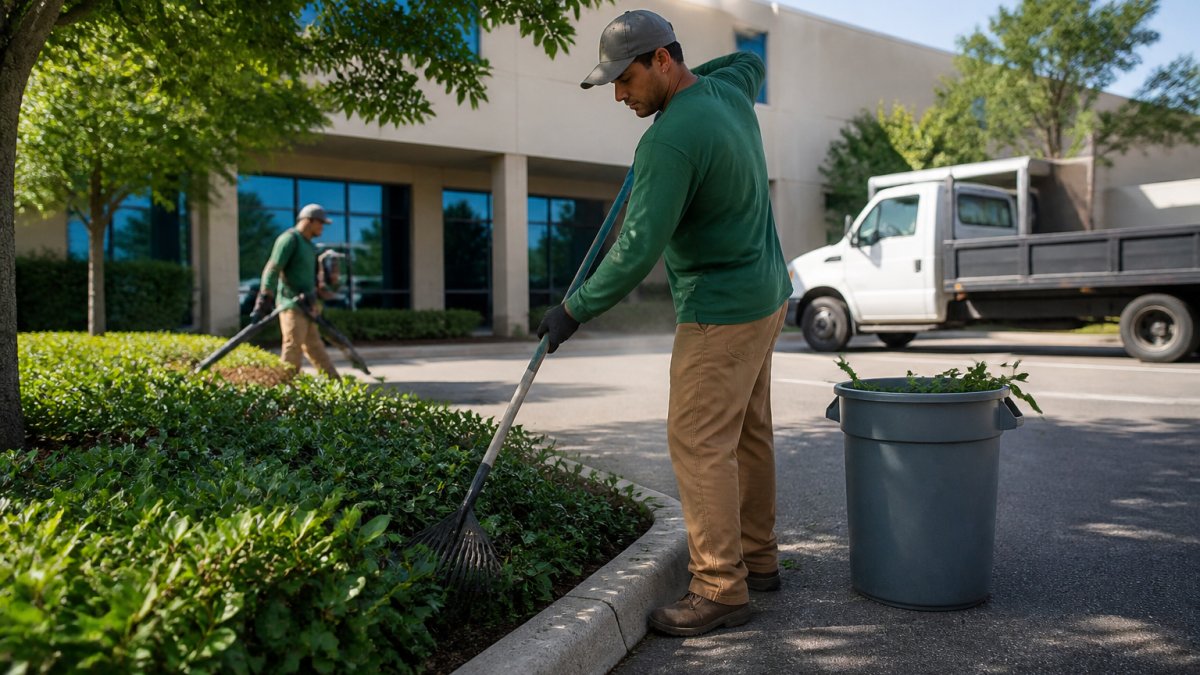
- Spring cleanup: leaf removal, bed refresh, irrigation startup, fertilization
- Summer: mowing, weed control, pest monitoring, water management
- Fall: leaf removal, seasonal cleanup, aeration, drainage checks
- Winter maintenance: snow management, ice management, tree care, equipment checks
Spring and fall cleanups do the heaviest lifting. Winter maintenance is where liability prevention lives, especially for properties with parking lots and walkways. Skipping winter prep is a common mistake, and it shows up as slip-and-fall claims rather than landscape complaints.
Step 6: Turn It Into a Monthly Commercial Landscape Maintenance Calendar
A monthly commercial landscape maintenance calendar converts the seasonal plan into a service schedule the crew can follow week by week. Build it once, then adjust as site conditions change.
Here is how we structure a monthly calendar:
- List recurring tasks first: mowing, edging, litter removal, irrigation checks
- Add monthly inspections: irrigation audit, pest and disease monitoring, safety walk
- Block seasonal items: fertilization, mulch, leaf removal, aeration, irrigation startup and shutdown
- Assign an owner and a measurable standard to every line
- Flag each line as Routine, Seasonal, or Corrective so the budget separates them
- Review the calendar at the start of each month and re-date anything the weather pushed
A sample month, built out. A typical growing-season month on a retail or office property looks like this when the calendar is done properly:
| Week | Routine work | Inspection | Seasonal / project work |
|---|---|---|---|
| Week 1 | Mow, edge, litter, bed weed | Irrigation audit, zones 1-3 | Fertilization round 1 |
| Week 2 | Mow, edge, litter, shrub prune | Pest and disease walk | Mulch top-off in high-visibility beds |
| Week 3 | Mow, edge, litter, bed weed | Safety walk, walks, curbs, trees | Drainage inlet clearing |
| Week 4 | Mow, edge, litter, irrigation check | Irrigation audit, zones 4-6 | Corrective work orders from the month |
Separate routine from corrective in the budget. Routine work, mowing, edging, litter, bed weed, is predictable and belongs in a fixed monthly service line.
Prioritize by risk and visibility. When the budget is tight, the calendar should show what gets cut first.
Use the calendar to plan seasonal spending. Map the year so the property manager can see the heavy months coming.
The calendar also gives property managers a shared reference. When a tenant asks why the beds look thin, the calendar shows the mulch date and the irrigation check. Documentation ends most disputes before they start.
Watch out: a calendar that mixes routine and corrective work into one line hides cost overruns until the invoice arrives, and a calendar that never re-dates weather-delayed work quietly drops tasks the property is still paying for.
Step 7: Add a Commercial Landscaping Safety Checklist and Inspection Standards
A commercial landscaping safety checklist protects crews and the property owner. Safety inspection items belong on the same sheet as maintenance tasks, so nothing gets skipped.
- Check for trip hazards on walks and curbs
- Inspect trees for dead limbs over structures
- Confirm equipment guards and safety gear are in place
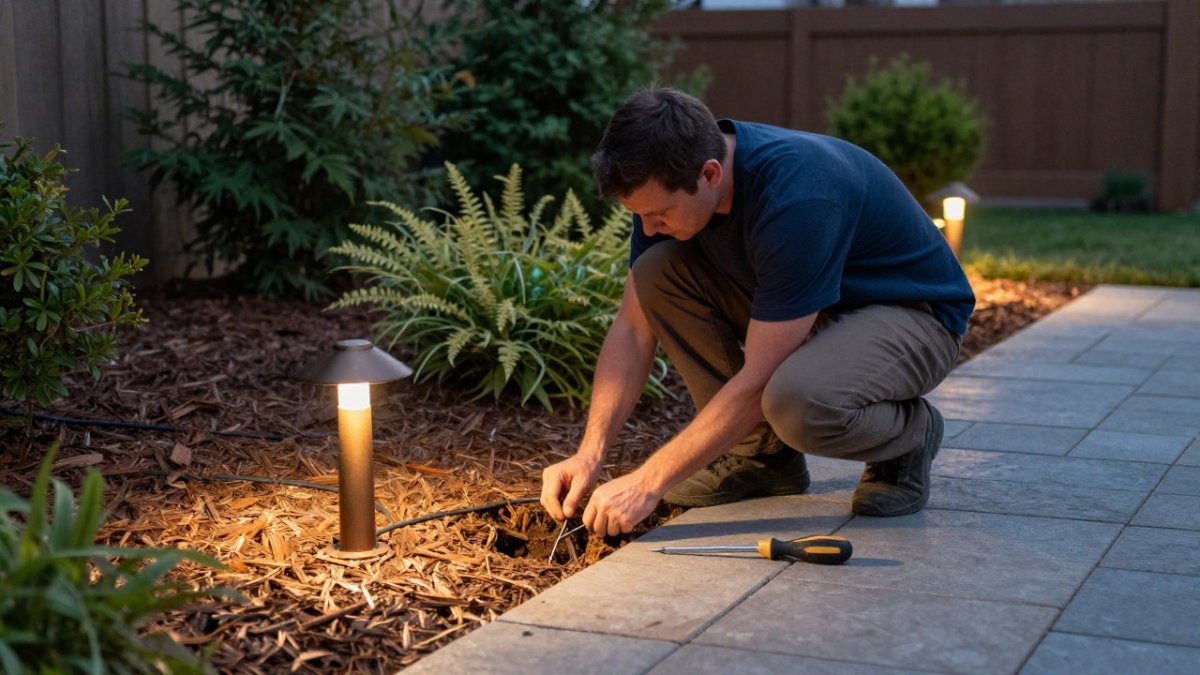
- Check drainage grates for blockages
- Note standing water and mosquito risk areas
- Verify signage around active work zones
Measurable inspection standards turn vague notes into accountability. Instead of "beds look fine," write "mulch at 2 to 3 inches, no bare areas over one square foot." Instead of "turf OK," write "turf height within target range, weed pressure under control." Vendor compliance gets easier to check, and corrective action gets easier to assign.
The Occupational Safety and Health Administration publishes guidance on landscape and groundskeeping hazards that any safety checklist should reflect.
Building a checklist that crews actually use takes more than a template. It takes someone who knows the property and shows up to work it. QEN Landscaping brings over 15 years of experience to both residential and commercial clients, with customized solutions and constant communication from first walk-through to final shrub installation. Our team builds maintenance plans around your site conditions and your standards, so your outdoor spaces look their best all year. Get started with QEN Landscaping and request a free estimate for your property.
Frequently Asked Questions
What should be included in a commercial landscape maintenance checklist?
A working checklist covers turf care, mowing and edging, weed control, fertilization, shrub pruning, tree care, mulch and planting beds, irrigation inspection, drainage checks, litter and debris removal, seasonal cleanup, and safety inspection. Each line should carry an owner, a frequency, a status field, and a notes field so a property manager can see what was done and what still needs corrective action. Add measurable quality standards so crews know what acceptable landscape appearance looks like on that site.
How often should commercial landscaping tasks be completed?
Frequency depends on climate, property type, and site conditions. Turf mowing typically runs weekly during peak growth and slows in cooler months, while irrigation inspections and weed pressure checks are usually monthly, and seasonal cleanup follows spring and fall. A retail center with high foot traffic needs more frequent litter removal than an office park. Set inspection frequency per task, then adjust after the first full cycle based on what the site actually shows.
How do you organize landscape maintenance tasks by season?
Split the year into spring, summer, fall, and winter blocks, then assign tasks to each. Spring covers cleanup, mulch refresh, fertilization, and irrigation startup. Summer focuses on mowing frequency, weed control, pest and disease monitoring, and water management. Fall brings leaf removal, aeration, overseeding, and winterization. Winter covers snow management, ice management, equipment maintenance, and planning. A seasonal commercial landscape maintenance checklist keeps nothing from slipping between blocks.
How can a landscape maintenance checklist help property managers?
It turns vague expectations into documented service-level targets. The property manager can compare completed work orders against the checklist, spot bare areas or clumping before they become complaints, and hold the vendor accountable with a written record. It also supports budgeting and prioritization, since tasks are tied to frequency and cost. When you switch vendors, the checklist transfers as a baseline, so the new crew starts from the same quality standards.